Upskill
Individual and group

One mentor alongside every manager in your organisation.

For companies that want to accelerate the maturity of middle leadership and scale leader readiness so they win the challenges of business at the speed of an AI era.

+50,000
mentoring sessions, conducted by human mentors
+200
certified mentors, who write the cases that train mentorIA
+7,000
leaders supported
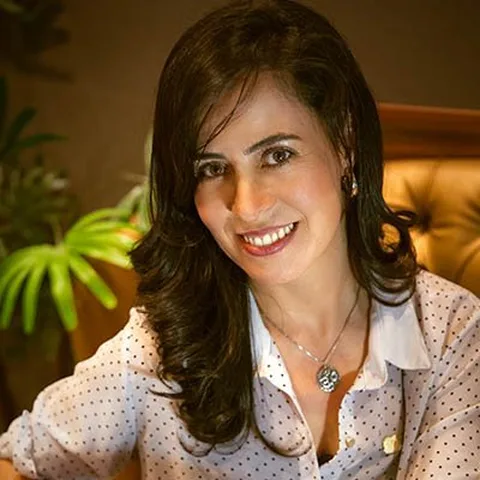
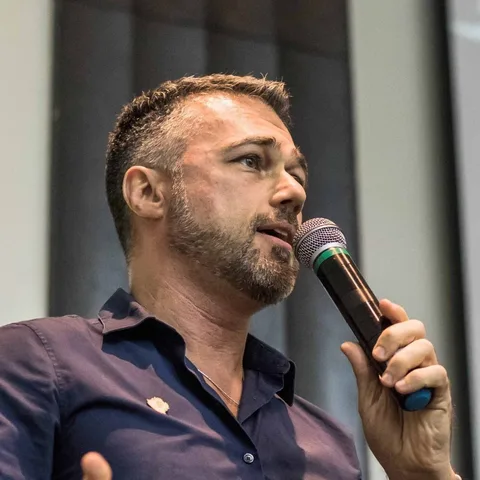
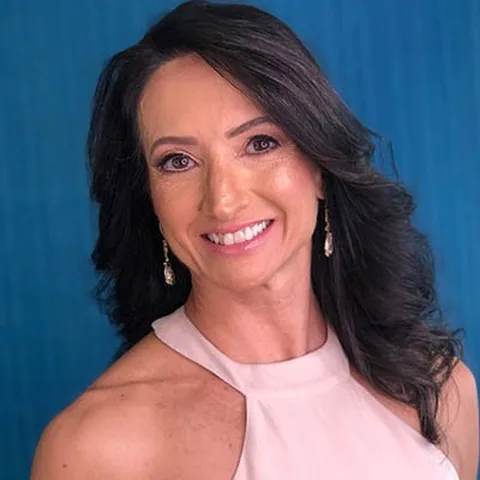
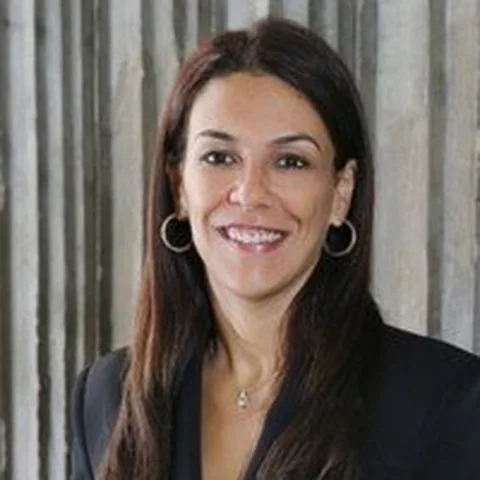
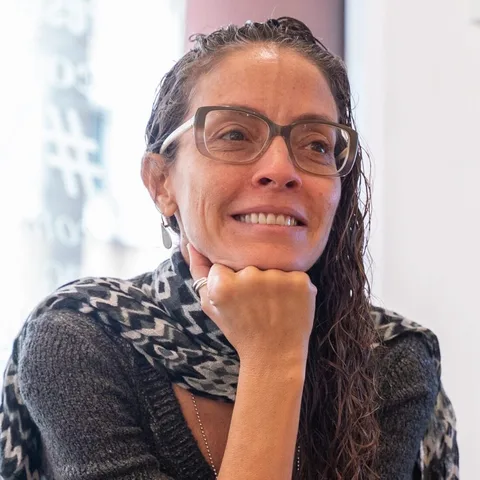
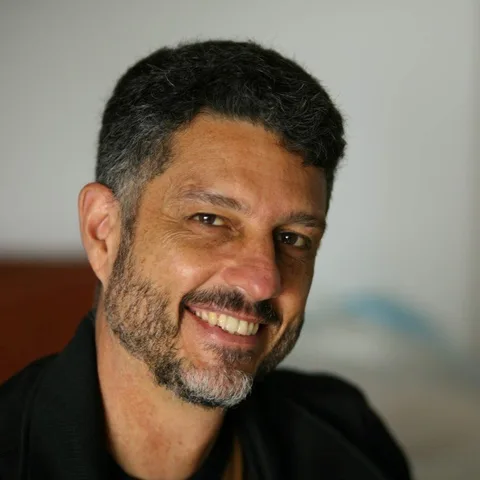
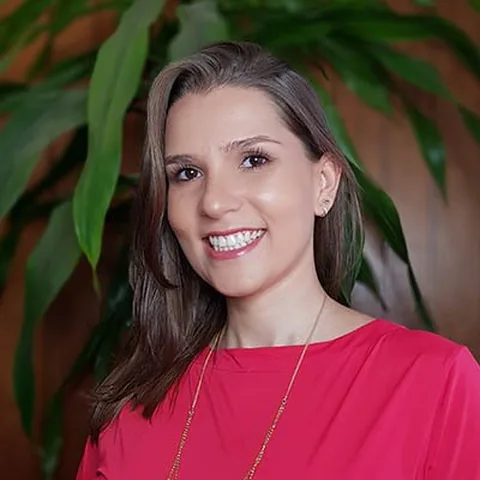
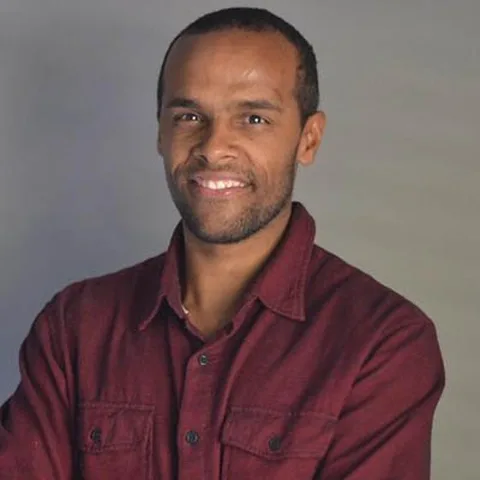
Vanise PerezNilzo AndradeAlessandra FilippiniRenata RandiMarcelo Filhou TheodoroAna MüllerTiciano MachadoLarissa Cristina SilvérioEder LivramentoPatricio Giuliani
Trusted by
DevioProtega · StefaniniConectCarEYMercado BitcoinGrupo SkillVivaWorksHellnerEPHeBankFiagrillGPALiveloDevioProtega · StefaniniConectCarEYMercado BitcoinGrupo SkillVivaWorksHellnerEPHeBankFiagrillGPALivelo
1
Why middle leadership, and why now

Promoted for technical excellence. Trained as a leader on the fly.

Today's manager got there through technical skill: he was the best analyst, the specialist who solved problems, the person who delivered. He learned to decide by deciding — he got it wrong, was corrected, got it wrong on a slightly bigger scale — and learned to manage people by copying whatever leadership examples he'd had, good or bad.

It worked, but it was never a planned journey: leadership development was never designed across the pipeline. The result is the case we see most — the specialist who became a leader under pressure. With AI taking over analyst-level tasks, whoever steps into management today may be skipping the very steps that once built repertoire.

What used to be left to chance now has to be designed.

47.7%

of managers say AI increased the time they spend working. It didn't decrease.

FontePwC, Global Hopes and Fears Survey 2025 · reported in World Economic Forum, "AI and the Future of Entry-Level Work", 2026
22%

of managers globally are engaged. They were 27% one year before: the largest decline ever recorded. In best-practice organisations, 79%.

FonteGallup, State of the Global Workplace 2026
2
The diagnosis

In most organisations, the leader already knows what he needs to do

He did the MBA. Attended the course. Read the book. Can explain what good feedback is. And yet he postpones the difficult conversation, doesn't delegate, and doesn't sustain on Wednesday the decision he made on Monday.

Knowledge was never the bottleneck. Behaviour is.

Behaviour doesn't change at a training event. It changes when someone supports the leader while he tries, fails and tries again, in the week the problem is happening. And that is the structure of the Upskill Leadership Development Model.

62% → 34%

This is how much training application at work drops: 62% right after the course, 44% in six months, 34% one year later.

FonteSaks & Belcourt (2006), Human Resource Management. Estimates from L&D professionals across 150 organisations

The training event happens on one day. The real challenge comes the following week, when the leader has to give bad news to someone they care about. Usually, there's no one by their side. Without support, they give up at the first obstacle to putting it into practice.

In the Upskill Model, the leader works on that challenge in a human mentoring session. If questions come up when it's time to apply it, they book another session with the mentor or turn to mentorIA, available 24/7, depending on the urgency. They adjust quickly and soon see their own behaviour as a leader improve.

Upskill Leadership Development Model
human mentoring sessionstart of implementationimplementation challengessupport from mentor or mentorIAimplementation adjustmentsapplicationperformance improvement
3
Why we exist

Mentoring always worked. But it couldn't scale before.

Every executive who truly evolved had someone by their side. A boss who taught them up close, an adviser or a mentor. But those last two were always expensive, depended on schedules and served three or four names in the organisation. The top evolved. Middle leadership stagnated.

In the United States, this changed more than a decade ago. All that time, in Brazil, scaling mentoring with professionals who understand the context of leaders at Brazilian companies didn't seem possible. Now it is.

Scale without becoming mass-produced content. Depth without privilege.

Method

Twenty years became a method

Two decades of mentoring leaders became a repeatable path: what to look for in each leader, the order to work through it, how to know if it changed.

mentorIA

The method became mentorIA

Access to the same method, brought online with AI and available 24/7, for everyone who leads. Not just for those who fit a mentor's calendar. A database built on thousands of sessions with human mentors.

People

More than 200 certified mentors, in Portuguese

People who understand Brazilian labour law, unions, hierarchy and the Brazilian way of avoiding conflict. They meet in Mentor Lab every week to calibrate practice. Also in English and Spanish, for teams across several countries.

Vanise PerezNilzo AndradeAlessandra FilippiniRenata RandiMarcelo Filhou TheodoroAna Müller
Contract

In Brazilian real, no currency risk

Price, contract and invoice in Brazilian real. No dollar surprises mid-year.

4
How it works

One mentor for each leader. One method for all. One dashboard for you.

Step 1

It starts by measuring

Each leader takes an assessment. Those who work with him also answer. The gap between the two answers is usually the first surprise.

Less than 5%

of leaders choose the same development priorities as their raters. In 45% of cases, none match.

FonteTalentSmartEQ, The 2026 State of EQ Report. ~23,111 leaders and raters, Oct/2024 to Oct/2025
Step 2

The right mentor

After identifying each manager's leadership style, we choose the mentor. By profile and objective, not by who has an open calendar.

Vanise Perez, certified mentor from the network.
Step 3

At the leader's pace

The leader schedules sessions when it fits his day. Between them, mentorIA is there and knows where the last conversation ended.

Step 4

You see

With each cycle, we measure again. Evolution and engagement of each leader and the group appear on your dashboard, without you needing to ask.

Your HR orchestrates. We operate. An L&D programme usually dies from lack of resources, not lack of will.

5
mentorIA

mentorIA learned from mentors. Not from transcripts.

There are two ways to teach an AI to mentor. One is to give it millions of recorded conversations and hope it performs competently. The other is to ask someone who spent twenty years mentoring to write what they learned.

We chose the second.

Each mentor on the network writes about the cases they conducted: what worked, what didn't and why. Mentor Lab reads this material every week and checks it against the methodology. Without person or company names, it goes into the Upskill Library. That's where mentorIA learns, alongside the method books.

Copilot and ChatGPT were trained on the internet and on generic conversations. mentorIA was trained on human mentoring sessions.

As well as answering from a qualified knowledge base, it remembers and follows up. “We talked about this last week. What did you try? What didn't work?”

No participant conversation is used to train the model. Not by technical limitation. By choice. You see evolution and engagement; never the content of the sessions.

Security and privacy

The leader builds their own track from what the system suggests.

Describes the situation they're facing with the team; mentorIA suggests the tool.

You adjust the answers to your company's way.

6
Comparison

Three ways to develop a leader today

Courses inform. Workshops inspire and rehearse. Mentoring supports while the leader tries, fails and tries again. None is wrong. They deliver different things.

Criterion
Course or LMS
Generic AI (ChatGPT, Copilot)
Upskill
Format
Course or LMSSame for all, in a group
Generic AIChat, when the leader remembers to open it
UpskillOne mentor per leader
Where the AI learned
Course or LMS—
Generic AIFrom the internet, or from recorded sessions
UpskillFrom cases written by certified mentors
What happens to the conversations
Course or LMS—
Generic AIOften become model training
UpskillNever become training
Language
Course or LMSDepends
Generic AIEnglish, or interface translation
UpskillPortuguese, with Brazilian mentor
When the problem is hard
Course or LMSNobody
Generic AINobody
UpskillA specialist mentor joins
Continuity
Course or LMSEnds on Friday
Generic AIDoesn't remember last week
UpskillContinuous, and mentorIA remembers
How you know if it worked
Course or LMSAttendance and satisfaction
Generic AIYou don't
UpskillAssessment before and after, per leader and group
7
Results

They join. They come back. They change.

Engagement alone is vanity. Score alone is satisfaction. Evolution alone might be luck. The three together are results.
97%
Join
of leaders stay engaged in the mentoring sessions. Last 3 months.
97%
Come back
say the session was fundamental to advance on the objective. Last 6 months.
+16%
Change
on average in the leader performance index over the programme, about six months.
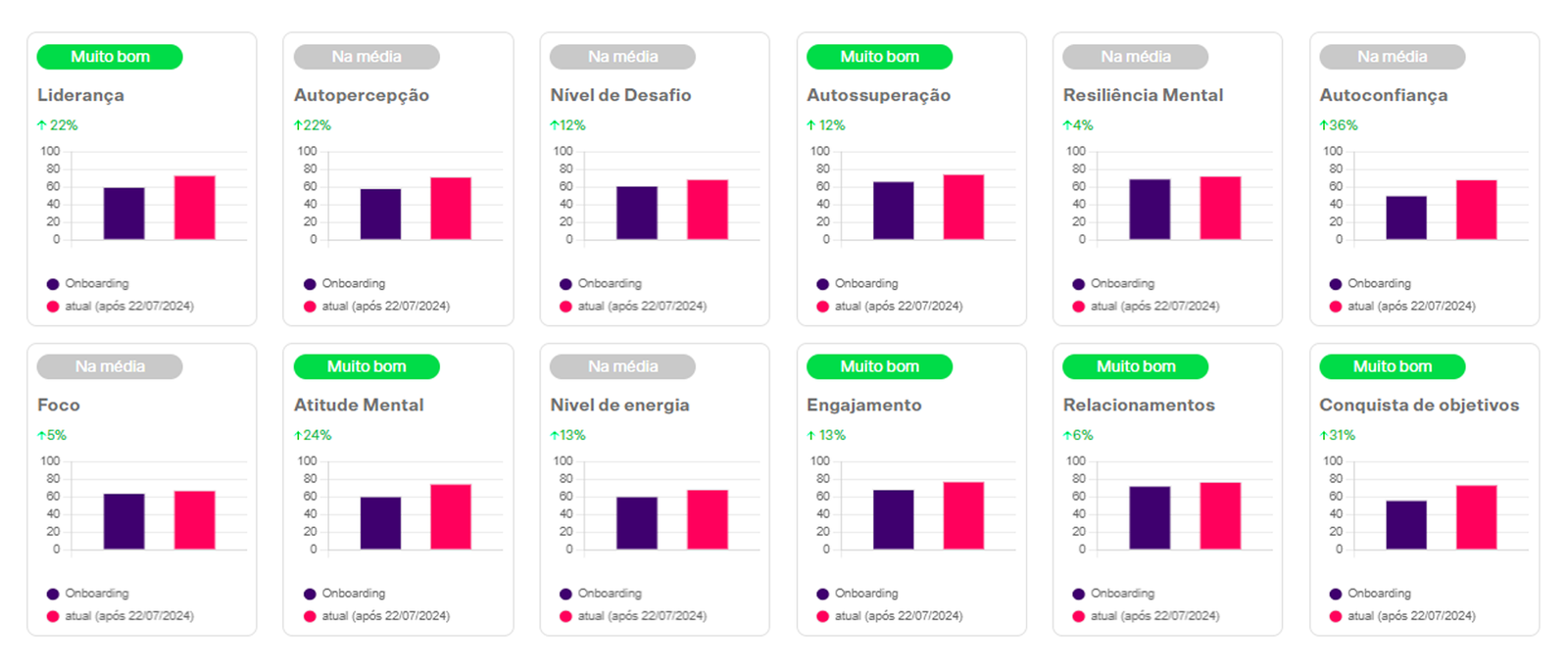
Variation by competence of leaders at an agribusiness client between onboarding and the third month
Average evolution of leaders at an agribusiness client, onboarding × 3rd month

The leadership index sums 12 competencies, measured regularly — at onboarding and then every 3 months. Two of them stood out in this case: mental attitude, up 19%, and self-awareness, up 16%.

“We decided to continue and expand to more leaders because we saw real evolution in behaviour, more clarity in the leadership role, better communication and greater maturity in team management.”
VGVanessa GouveiaHR Coordinator, EPH Incorporadora
“By the end of the cycle, I noticed more integrated leadership in decisions, with greater listening capacity, empathy and collaboration. That's why I decided to continue and expand the programme.”
VPViviam PosterlliCEO, Grupo Skill
8
Solutions

Find the right solution for where your company is now

1

1:1 Leadership Mentoring Programme

Accelerate and scale leadership development across senior and middle management, as well as for high-potential leaders. Human mentor in sessions, mentorIA between them, mapping before and measurement after.

2

Journeys and Workshops

In a group, online or in person, with mentorIA support. When the topic is specific and the group is one.

3

Mentor Training

For organisations who want to develop mentors from their own team using our method.

Our clients use our programmes to prepare leaders for succession, for periods of rapid growth, before, during and after M&As, and to boost team performance, especially in sales. Any mentoring delivered with humans can be in person. Just write: contato@upskillplatform.com.

9
Frequently asked questions

Each of these answers changes a little in your organisation's context. In 30 minutes of conversation, we adjust.

What is Upskill?
Upskill is a leadership mentoring service that combines experienced human mentors with artificial intelligence — the mentorIA. Each programme begins with profile mapping and development gaps for each leader, defines development OKRs aligned to business strategy and tracks progress with real data. It is not an LMS, point consultancy or ad-hoc sessions, but a continuous, personalised and measurable programme delivered in Portuguese, English and Spanish.
What size of company is Upskill designed for?
The platform supports 10 to 400 leaders in simultaneous development. Mid-market companies are where our methodology has the greatest fit, and plans grow within this range whilst maintaining personalisation, with operations in Brazil, Portugal and Central America.
What sets Upskill apart from traditional corporate training?
Whilst traditional training delivers generic content in groups with participation measurement, Upskill offers a personalised track for each leader, with mentors selected by algorithm and human curation, continuous monitoring and progress dashboard. The platform was designed to reduce time and money waste by promoting perceptible changes.
What is mentorIA and how does it work within the programme?
mentorIA is a virtualised mentor trained in Upskill's proprietary methodology — built from over 20 years of experience in leadership mentoring. Updated weekly with the practice of the mentors' board and frameworks validated in practice, it functions as support between sessions, autonomous mentor in hybrid plans or support in group programmes. Available 24/7. Leaders' conversations with mentorIA are not used to train AI models. Details in our Trust Center.
What concrete results do Upskill clients achieve?
The network measurement shows: 97% of leaders engaged in mentorships (last 3 months), 97% rating the session as fundamental to progress on their objective (last 6 months) and +16% on average in the leader performance index over the programme (about six months). In case studies, a programme in agribusiness showed +15% performance and +28% progress towards targets already in the first 3-month cycle.
Why do traditional training programmes fail at leadership development?
The main failure is the lack of continuity. Application of training learning in actual work drops from 62% right after the course to 44% in six months and 34% a year later, according to Saks and Belcourt (Human Resource Management, 2006), in a survey of 150 organisations. Generic formats ignore context, profile and timing for each leader. Effective development requires genuine monitoring over time with clear individual targets.
What characterises a high-performance leadership mentoring programme?
An effective programme has: initial diagnosis of the leader's profile and development gaps, mentor selected with criteria for fit and specialisation, track adaptable to each participant's actual progress and result measurement that goes beyond satisfaction. Programmes combining these elements with continuity (not as an isolated event) produce lasting behaviour change.
How is AI transforming corporate leadership development?
With AI, every leader gets personalised support available all the time, not just a few. Virtualised mentors trained with specialised methodology can guide leaders outside of human session hours, suggest tools for specific situations and keep learning active between meetings. The most effective use is not replacing the human mentor, but extending their reach.
What is the impact of leadership quality on talent retention?
The quality of the immediate manager is the strongest variable for team experience: Gallup attributes 70% of the variation in a team's engagement to the manager. In Brazil, the Carreira dos Sonhos 2025 survey by Cia. de Talentos (73,602 respondents) shows that development leads the ranking of company-choice factors, and that 51% of leaders cited as inspirational are frontline managers — not distant figures. Leaders who actively develop their teams, provide structured feedback and create psychologically safe environments retain more and produce higher-performing teams.
How to identify the most critical leadership gaps in an organisation?
The starting point is a structured assessment of behavioural competencies and mindset for each leader, not just technical knowledge. The most common gaps in mid-market organisations tend to be: structured feedback, management of hybrid teams, people development and decision-making under pressure. Without recognising individual gaps, any programme operates blind.
Why does Upskill focus on middle leadership?
Because that's where judgement was formed, and where AI is now removing the steps. The entry-level tasks that taught decision-making are being automated, and those reaching management arrive with less baggage. In Brazil, 51% of leaders cited as inspirational are frontline managers, not distant figures (Cia. de Talentos, Carreira dos Sonhos 2025, 73,602 respondents). This layer decides the team's day-to-day experience, and is the one that receives the least structured development.
Do you record sessions?
No. The full transcription is not stored as history and no conversation is used to train the model. You track progress and engagement on the platform, never content. Controls are described in our Trust Center.

Start with a 30-minute conversation

It's not a portfolio presentation. It's a diagnosis. You describe your leadership moment, we ask the questions that usually show where the gap is, and you leave with a path. Even if it's not with us.

1

Your moment

What change your organisation is facing: growth, succession, restructuring, new leadership. That's what defines the urgency.

2

Where leadership gets stuck

We map with you the two or three skills where managers need to evolve to sustain the result.

3

A clear path

Format, mentors and track that make sense for your situation. No generic proposal.
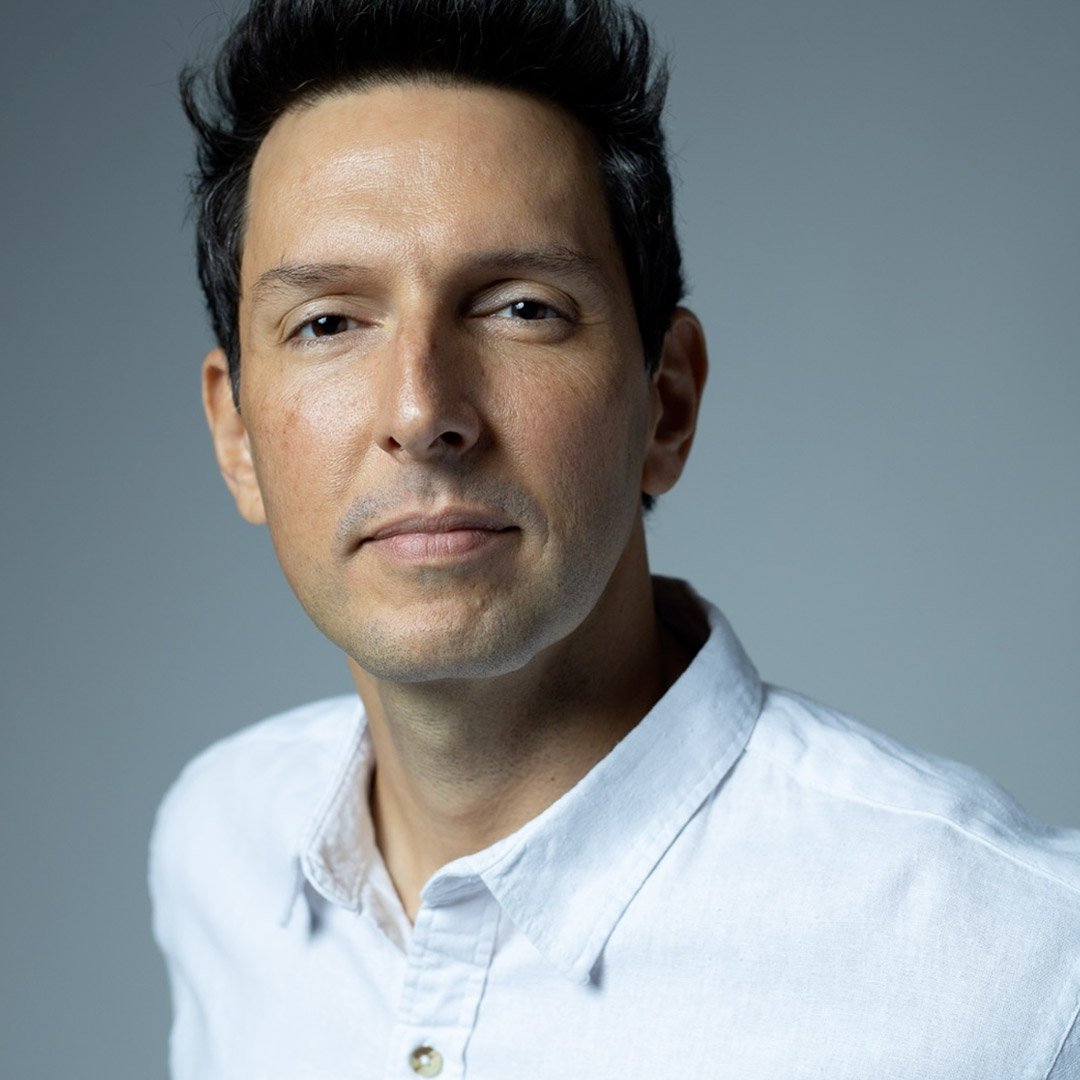
William Câmara
"If the diagnosis shows it's not what you need, I'll tell you."

William Câmara, co-founder

Want to listen to us before you book? Over 300 episodes of the A Mente Empreendedora and A Mente do Líder do Futuro podcasts, on Spotify.

Chat on WhatsApp
30-minute diagnostic